#what-is-trading-alert-service-worth-it
You're scrolling through trading Twitter at 8:30 AM, coffee in hand, watching traders post screenshots of massive gains from overnight SPX plays. The question hits you: should you be following someone else's alerts instead of trying to figure this out alone?
Trading alert services promise to deliver profitable trade setups directly to your phone. But with hundreds of options ranging from free Discord channels to premium services charging $300+ monthly, separating legitimate opportunities from expensive noise isn't straightforward.
Here's what you need to know about trading alert services, how they actually work, and whether they're worth your capital in 2026.
What Exactly Is a Trading Alert Service?
A trading alert service sends you specific trade recommendations in real-time. These alerts typically include the ticker symbol, entry price, exit targets, and stop-loss levels. The goal is to give you actionable setups without requiring you to spend hours analyzing charts or market conditions.
Most services focus on specific asset classes:
- Options alerts (SPX, SPY, individual stocks)
- Stock alerts (day trades, swing trades, long-term positions)
- Futures alerts (ES, NQ, crude oil)
- Forex alerts (major currency pairs)
- Crypto alerts (Bitcoin, Ethereum, altcoins)
The delivery methods vary widely. Some services use Discord channels, others send SMS messages, and premium providers often use dedicated mobile apps with push notifications.
How Trading Alert Services Actually Work
The Signal Generation Process
Behind every alert is either a human trader or an automated system making trade decisions. Human-driven services typically involve experienced traders who:
- Analyze market conditions each morning
- Identify high-probability setups using their methodology
- Send alerts when specific criteria are met
- Provide updates on position management
Automated services use algorithms to scan markets and trigger alerts based on technical indicators, price patterns, or other quantitative factors.
Types of Alert Services
High-Volume Signal Services: These blast 10-20+ alerts daily across multiple assets. The theory is that more opportunities mean better chances for profit. The reality is often information overload.
Focused Setup Services: These target 1-3 high-conviction plays daily, usually in specific markets like index options. The approach prioritizes quality over quantity.
Educational Alert Services: These combine trade alerts with explanation of the reasoning behind each setup. You get the trade idea plus insight into the methodology.
Copy Trading Platforms: These automatically execute trades in your account based on alerts from selected traders. You're essentially mirroring someone else's portfolio in real-time.
The Real Costs and Hidden Fees
Alert service pricing in 2026 ranges dramatically:
- Free services: Discord channels, Telegram groups
- Budget services: $50-$100 monthly
- Mid-tier services: $150-$300 monthly
- Premium services: $500+ monthly
- Elite services: $1,000+ monthly or percentage of profits
But subscription fees are just the beginning. Consider these additional costs:
Execution Speed Requirements: Profitable alerts often require immediate execution. You might need premium brokerage accounts with faster order routing, which means higher commission structures.
Capital Requirements: Many services assume you're trading with significant capital. A $50 SPX call might seem reasonable until you realize the service expects you to buy 10+ contracts per trade.
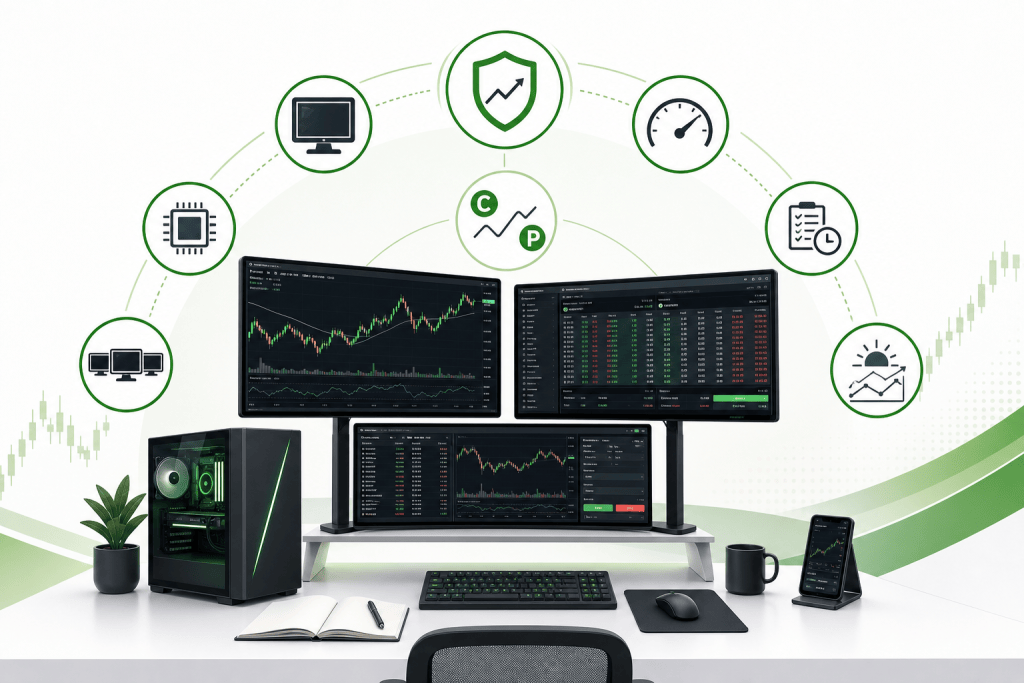
Technology Costs: Real-time alerts demand reliable internet, multiple monitors, and potentially dedicated trading software. Budget another $100-200 monthly for proper infrastructure.
Opportunity Cost: Time spent executing others' trades is time not spent developing your own trading skills.
What Makes a Trading Alert Service Actually Worth It?
Transparency in Performance
Legitimate services provide detailed performance logs showing every trade, including losers. You should be able to see:
- Entry and exit prices for every alert
- Win/loss ratios over extended periods
- Maximum drawdown periods
- Performance across different market conditions
Red flag: Services that only show winning trades or use vague percentage claims without specific trade details.
Methodology You Can Learn
The best alert services teach you their approach alongside the alerts. You're not just copying trades—you're learning to identify similar setups independently.
Look for services that explain:
- Why they selected specific strikes and expirations
- How they manage risk on each trade
- What market conditions favor their strategy
- When they avoid trading altogether
Account-Size Appropriate Recommendations
Your $25K account has different risk parameters than a $200K portfolio. Quality services acknowledge this reality by providing position sizing guidance based on account size, or offering different alert tiers for different capital levels.
A service recommending $10K positions to traders with $15K accounts isn't managing risk—it's gambling with your money.
Real-Time Support and Education
Markets move fast. When you're in a SPY call spread that's moving against you, can you get guidance from the service provider? Premium services often include:
- Live chat during market hours
- Position management updates
- One-on-one mentoring sessions
- Educational webinars explaining strategy evolution
Red Flags to Avoid in Alert Services
Unrealistic Performance Claims
"Average 200% monthly returns!" sounds exciting until you realize it's mathematically unsustainable. Legitimate traders target consistent, achievable returns—typically 20-50% on individual options trades, not 200% monthly portfolio gains.
Pressure Tactics and FOMO Marketing
Services that constantly push "last chance" pricing or claim you'll miss out on life-changing opportunities are selling emotion, not education. Quality providers focus on long-term trader development, not quick subscription grabs.
No Risk Management Discussion
Any service that doesn't explicitly discuss stop-losses, position sizing, and maximum risk per trade is incomplete. Trading alerts without risk management are just expensive gambling tips.
Lack of Methodology Transparency
"Proprietary algorithms" and "secret indicators" are often code for "we don't actually have a systematic approach." The best services explain their methodology clearly because they want you to understand and improve, not just follow blindly.
How to Use Trading Alerts Effectively
Start Small and Track Everything
Begin with paper trading or minimal position sizes. Track every alert for at least 30 days before committing serious capital. Document:
- Alert accuracy and timing
- Your execution speed vs. recommended entries
- Performance differences between your results and claimed results
- Which setups align with your risk tolerance
Focus on Learning, Not Just Copying
Use alerts as a learning tool. Before executing each trade, try to understand:
- What technical or fundamental factors support this setup
- How this trade fits the current market environment
- What could go wrong and how to manage that risk
Develop Your Exit Strategy
Many alert services are better at entries than exits. Develop your own rules for:
- Taking profits at specific percentage gains
- Cutting losses when trades move against you
- Managing positions when alerts don't provide timely updates
Maintain Trading Independence
The goal isn't permanent dependence on alerts. Use the service to accelerate your learning, then gradually transition to independent trading as your skills develop.
The Alternative: Structured Trading Communities
Traditional alert services aren't your only option. Some trading communities combine alerts with comprehensive education and mentoring. These hybrid approaches offer:
- Daily trade setups with detailed reasoning
- Real-time support during market hours
- Progressive education programs
- Community interaction with other traders at similar levels
The key difference: you're joining a learning community, not just buying signals.
Is a Trading Alert Service Worth It for Your Portfolio?
The answer depends on your current situation and goals.
Alert services make sense if you:
- Have limited time for market analysis but want active trading exposure
- Are learning a new strategy and need structured examples
- Trade with sufficient capital to handle recommended position sizes
- Can execute trades quickly during market hours
- View alerts as education, not guaranteed profits
Skip alert services if you:
- Expect guaranteed returns or "easy money"
- Can't afford the subscription without impacting your trading capital
- Prefer developing your own analytical skills independently
- Trade with very small accounts that can't handle recommended positions
- Want to trade outside the service's focus areas
Making Your Decision
Before subscribing to any alert service, ask these specific questions:
- Can I see detailed performance logs for the past 12 months?
- What's the average trade frequency and capital requirement?
- How quickly must I execute alerts to achieve stated results?
- What support is available when trades go against me?
- Does the service match my account size and risk tolerance?
Remember: the best alert service teaches you to eventually not need alert services.
The Bottom Line
Trading alert services aren't inherently good or bad—they're tools. Like any tool, their value depends on how you use them and whether they match your specific needs.
The most successful traders often start with structured guidance, learn the underlying methodology, then develop independent trading skills. Whether that guidance comes from alert services, mentoring programs, or trading communities matters less than finding an approach that prioritizes education alongside execution.
Your portfolio deserves more than blind signal following. It deserves a structured approach to learning profitable trading strategies.
Ready to explore a trading community that combines daily alerts with comprehensive education and real-time mentoring? Learn more at blueville.capital.